
The situation
What the client was facing
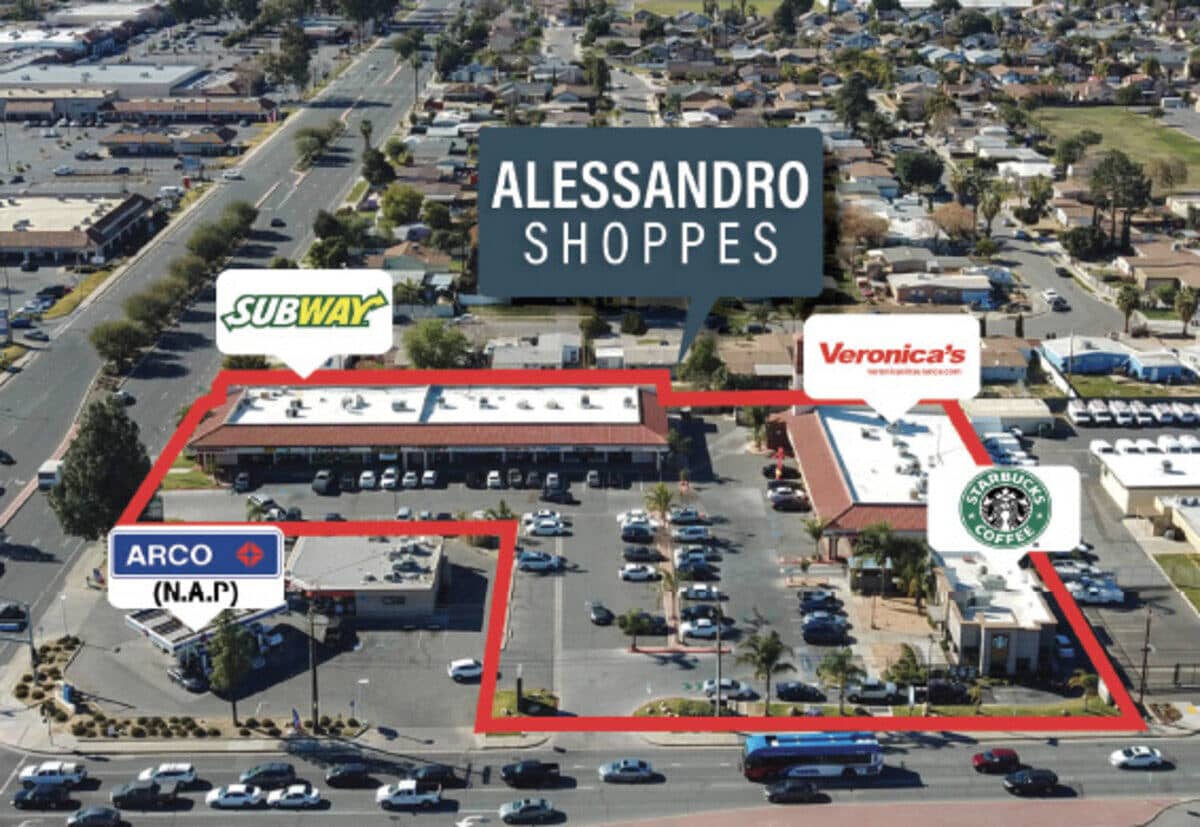
A Starbucks-anchored Inland Empire retail center at 78% occupancy. A vacancy like that is where most listings go quiet — priced off in-place income it looks expensive, priced off potential it looks like a promise.
The owner wanted full value in a market where Inland Empire retail rents were climbing more than five percent a year — which meant the vacancy had to be sold as the upside it was, to buyers underwriting the lease-up, not apologized for.
The work
What the desk actually did
Francisco — then a Senior Associate on the listing team — helped build the campaign around two-sided pricing: one set of numbers on in-place income and another on the stabilized lease-up, with the lease-up math shown in the offering memorandum rather than implied.
Distribution ran wide and tracked: serialized offering-memorandum copies to registered prospects, a direct email campaign to the buyer database, and open-market exposure through CREXi — so the team knew who was engaging, not just how many.
When offers arrived, the team ran them as a field, not a queue: within a single week, multiple buyers held counters simultaneously — documented across competing LOIs from private investors and LLC buyers.
The outcome
How it ended
The competition did what competition does: the center closed above the documented ask, with the winning buyer selected from a field of competing written offers.
The value-add thesis sold as priced: the buyer acquired a corner center with anchor credit, scheduled rent increases in the in-place leases, and the vacant 22% underwritten as the growth story it was marketed to be.