That half-empty office building isn’t just losing money—it could become profitable housing. With 24% vacancy in LA, now’s the time to act.
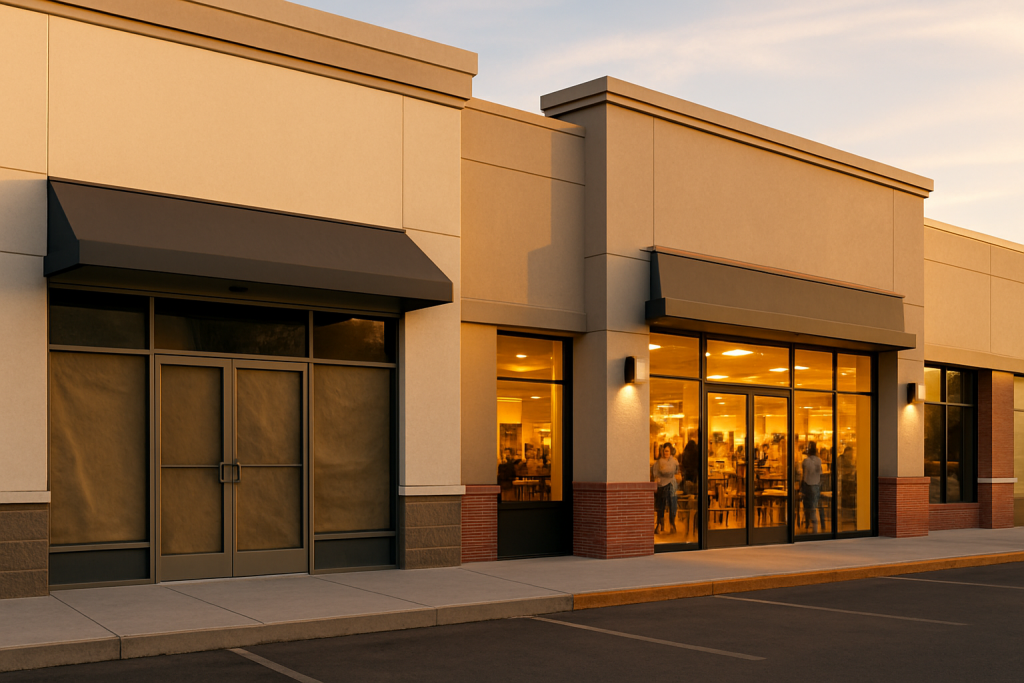
Southern California’s office market faces a crisis. Greater Los Angeles hit 24% vacancy in 2025. Older Class B and C buildings sit nearly empty. This creates huge opportunities for adaptive reuse—if you pick the right buildings.
Finding the Right Building
Not every office converts well to apartments. Look for these features:
Age: Buildings from the 1960s-1990s work best. They’re modern enough for easy conversion but old enough to buy cheaply.
Shape: Choose narrow buildings. Residents want natural light. No one rents apartments 40 feet from windows.
Windows: You need windows that open, or the ability to add them easily.
Structure: Pick concrete or steel frames that can handle residential loads.
Location: Focus on urban sites near transit, restaurants, and services.
Skip suburban office parks unless you plan to build an entire neighborhood.
SB 6: Your Secret Weapon
Senate Bill 6 lets you build housing on office-zoned land without rezoning. This cuts out months or years of political battles. You still need permits, but you’ve avoided the hardest part.
Yes, the law requires higher wages (adding 20-30% to labor costs). But saving two years of carrying costs more than makes up for it.
The Technical Truth
Plumbing: Offices have central bathrooms. Apartments need kitchens and bathrooms in every unit. Plan for major re-piping. Pray the concrete isn’t post-tensioned.
HVAC: Forget the central system. Each unit needs its own controls. That means mini-splits or VRF systems. You’ll punch lots of holes for fresh air.
Electrical: Offices use steady power. Homes use power randomly. Every unit needs its own panel and meter. The main service will likely need an upgrade.
Windows: Bedrooms need windows that open. If your building has sealed glass, budget for replacements or get creative with layouts.
Turn Parking Into Profit
Office buildings often have too much parking. Near transit? AB 2097 says you need zero spaces. Convert that extra parking into:
- Storage units at $100/month each
- A gym or co-working space
- More apartments (if you can access them)
The Numbers That Matter
- Buy distressed offices: $100-200 per square foot
- Conversion costs: $150-250 per square foot
- Total investment: $250-450 per square foot
- New construction: $400-600 per square foot
You save 30-40% compared to building from scratch. Plus, you finish faster.
Design What Renters Want
Office floor plates create perfect studios and one-bedrooms. That’s exactly what urban renters want. Don’t fight the building—embrace smaller units that lease quickly.
Why Renters Love Conversions
Early projects faced doubts. “Live in an office?” But successful conversions proved renters love:
- Real industrial character
- High ceilings and big windows
- Walking distance to everything
- Layouts that feel custom
Act Now, Not Later
Office distress won’t last. Supply and demand will balance. Cheap offices will disappear. The window for massive discounts is open today but closing fast.
Ready to Convert?
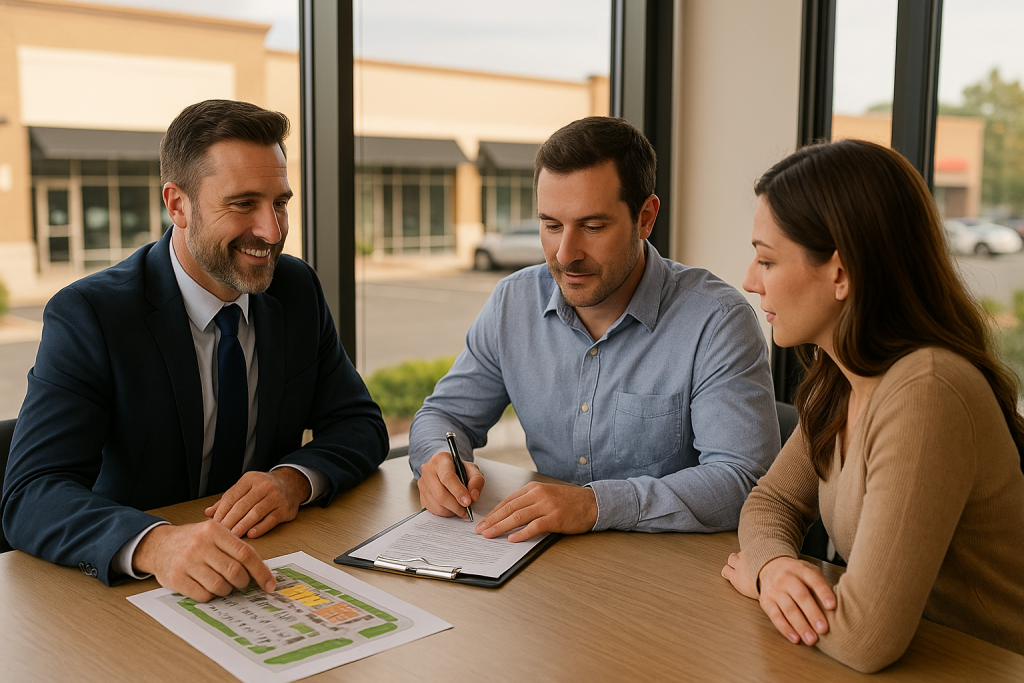
Williams Capital Advisors specializes in office-to-residential conversions. We find the right buildings. We handle acquisitions. We navigate approvals. We manage construction.
Don’t miss this rare opportunity.
Contact Williams Capital Advisors:
(213) 880-8107 | francisco.Williams@williamscap.ai | williamscapitaladvisors.com
Transform empty offices into thriving homes.