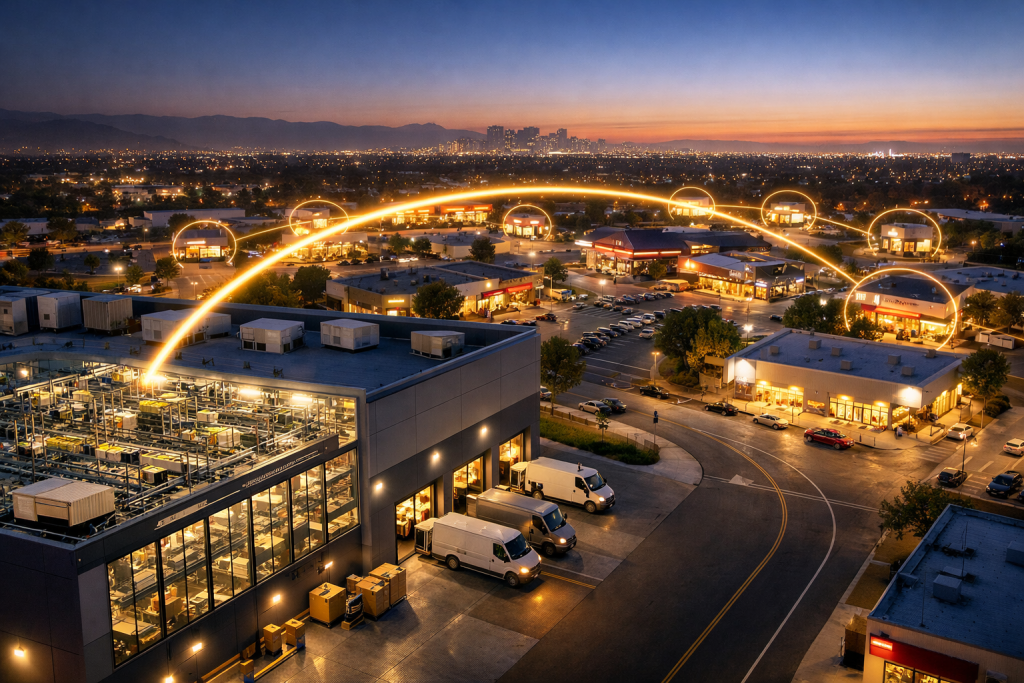
Converting retail space to logistics use creates real tax advantages. But you have to plan for them. Most investors leave money on the table because they don’t act early enough.
Logistics Improvements Depreciate Faster
Standard retail improvements depreciate over 15 to 39 years. Logistics equipment is different. Conveyor systems, sorters, and automation often qualify for 5- or 7-year schedules.
That’s a big difference. Shorter schedules mean larger deductions, sooner.
A cost segregation study finds which components qualify. The study usually pays for itself in year one.
Classification Is Everything
Call it equipment, and you depreciate it fast. Call it real property, and you wait decades.
Micro-fulfillment infrastructure often qualifies as equipment. That opens the door to bonus depreciation and Section 179 expensing — both powerful tools for reducing taxable income quickly.
Do this at installation. Document everything. Don’t wait until tax season.
Your Lease Structure Changes Your Tax Outcome
Who funds the improvements matters. Landlord-funded and tenant-funded improvements are taxed differently. Revenue-sharing deals carry different rules than fixed-rent leases.
Run the tax scenario before you sign. The structure of your deal affects your net return just as much as the rent rate does.
The Bottom Line
Good tax planning turns a solid logistics conversion into a great one. Classify early. Get a cost seg study. Structure the lease with tax in mind.
Ready to Run the Numbers on Your Property?
Every conversion is different. The tax upside depends on your property, your lease structure, and your timeline.
We help retail property owners and investors evaluate mixed-use conversions — from initial feasibility through closing. If you’re exploring a logistics conversion or want to know what your net proceeds could look like, let’s talk.
Call or text: (213) 880-8107 Email: francisco.williams@williamscap.ai Schedule a free consultation: williamscapitaladvisors.com