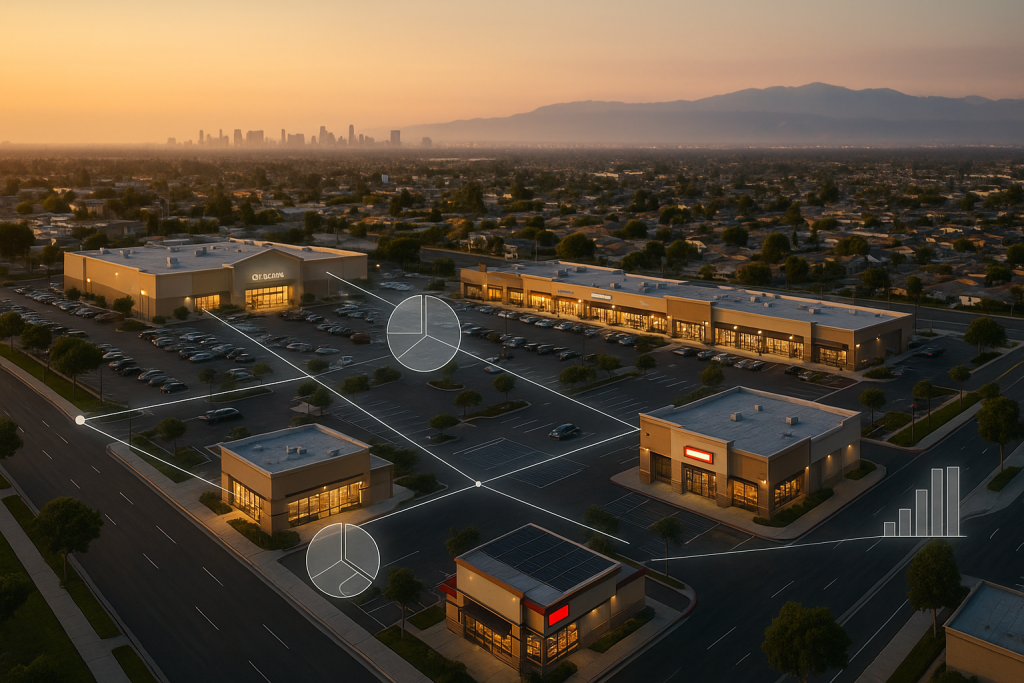
Empty office building? Struggling retail center? California wants you to turn it into housing. But the process isn’t simple. Here’s how to navigate it.
The State Says Yes
Two new laws changed the game.
Senate Bill 6 lets you build homes on commercial land. If your property allows office, retail, or parking uses, it can now allow housing too.
Assembly Bill 2011 is even better. Qualifying projects get approved automatically. No public hearings. No environmental reviews. No lawsuits.
Why did lawmakers do this? Simple. California needs housing. Converting empty buildings solves two problems at once.
Your City Might Say “Not So Fast”
State law opens the door. But your city controls the lock.
Los Angeles gets it right. Their Adaptive Reuse Ordinance offers:
- Automatic approvals for qualifying projects
- No parking requirements
- Clear, simple guidelines
Result? Thousands of new downtown units.
Other cities? Not so easy. Without a similar ordinance, you’ll face:
- Public hearings
- Environmental reviews
- Potential lawsuits
- Years of delays
- Costs that kill the deal
Watch Out for Zoning Traps
Your commercial property might not allow housing. Period.
Getting around this requires either:
- A zone change (slow and expensive)
- A special permit (slow and uncertain)
- An overlay zone (if your city has one)
Check this first. Before you spend a dime.
Buildings Don’t Convert Themselves
Commercial buildings weren’t built for residents. Converting one triggers new rules:
- Windows: Homes need natural light. Offices often don’t have enough.
- Ventilation: Residential standards are stricter.
- Exits: Emergency egress rules differ.
- Earthquakes: Seismic upgrades may be required.
- Accessibility: ADA compliance adds costs.
- Hazards: Asbestos or lead? Budget for cleanup.
Know these costs before you buy. Not after.
Three Rules for Success
- Talk to planning early. Before you commit. Before you spend.
- Inspect everything. Surprises kill budgets.
- Model the real costs. Include every permit, every upgrade, every delay.
Need a guide through the maze?
Williams Capital Advisors helps property owners convert commercial buildings in California. We know the regulations. We know the people. We know how to get projects approved.
(213) 880-8107 | francisco.williams@williamscap.ai | williamscapitaladvisors.com